

QUICK ANSWER
Silver dressings can help wounds heal faster when there is infection or a high risk of infection, as their antimicrobial properties reduce bacterial load.
For clean, low-risk wounds, traditional dressings are usually just as effective and more cost-efficient.
The best choice depends on the wound type, infection risk, and stage of healing. If there are signs of infection such as increased redness, warmth, or discharge, antimicrobial options like silver dressings may be more appropriate, while simple wounds often respond well to standard care.
For chronic wounds, consult your GP or a qualified healthcare professional before using specialised products. Seek urgent medical care if there are severe signs of infection such as pus, spreading redness, fever, or worsening pain.
Choose the right dressing based on your wound needs:
Best for managing infection or high-risk wounds Hydrogels
Best for dry wounds needing moisture to heal Antiseptic Preparation
Clean and prepare wounds before dressing
Silver dressing options for infection control:
When a wound is slow to heal, choosing the right dressing can directly impact recovery time.
Some wounds need simple protection. Others need active infection control.
That’s where the choice between silver dressings and traditional dressings matters.
Should you go with a traditional dressing, like gauze or foam? Or opt for something a little more modern, like a silver-infused dressing?
In this blog, we’re unpacking both options. We’ll break down how they work, when you might use them, and most importantly, which one might help wounds heal faster.
Disclaimer: it’s not always a one-size-fits-all situation. The key decision comes down to one factor: infection risk.
What are silver wound dressings and how do they work?
You’ve probably heard of silver jewellery, silverware, or even silver shampoo—but silver in wound care? Yep, it’s a thing. And no, it’s not just a trendy buzzword. Silver dressings are a science-backed, clinically trusted solution used to help treat wounds that are slow to heal or at risk of infection.
Silver has been used for centuries for its antibacterial properties, and in modern wound care, it’s making a comeback with style—and serious healing power. These dressings are infused with ionic silver, which is released in small doses directly into the wound site.
So what does the silver actually do?
- Kills bacteria: According to the Journal of Wound Care, silver ions work by disrupting bacterial DNA and cell membranes, making it harder for bacteria to grow, reproduce, or cause infection. This makes silver dressings especially helpful for wounds that are infected or likely to become infected.
- Reduces inflammation: Silver can help reduce inflammatory responses, creating a more stable environment for healing. This means less redness, oozing, and pain—especially in chronic wounds.
- Improves healing times in the right situations: A review published in International Wound Journalfound that silver dressings can reduce healing times in certain types of wounds—like pressure injuries or ulcers—when compared to standard dressings. However, they work best when used appropriately and under the guidance of a healthcare provider.
So, is silver magic?
Not quite.
But for the right kind of wound—especially those that are infected or not healing with traditional care—it can definitely tip the scales toward faster, cleaner healing.
What are traditional wound dressings used for?
Before silver dressings entered the chat, traditional wound dressings were holding things down for generations—and they’re still widely used today. We’re talking about good ol’ gauze pads, adhesive bandages, non-stick dressings, and absorbent foams. You’ll find these in hospitals, aged care settings, first-aid kits, and probably somewhere in your bathroom cabinet.
So, what makes a dressing “traditional”?
It’s all about basic protection. Traditional dressings are designed to:
- Cover the wound and protect it from external contaminants like dirt, bacteria, and friction.
- Absorb excess fluid (also known as exudate) to prevent skin maceration.
- Promote a moist wound healing environment—because wounds actually heal faster when they’re not dried out.
While they may not come with antimicrobial silver, traditional dressings are still highly effective—especially for wounds that are:
- Clean and healing as expected
- Post-surgical, where infection risk is low
- Minor cuts, abrasions, or skin tears
In fact, many clinicians will start with traditional dressings and only move to silver-based or more advanced products if there’s a complication like infection or delayed healing. It's all about choosing the right tool for the wound.
A quick note: Traditional dressings generally need to be changed more frequently than silver ones, and they don’t actively fight bacteria—so cleanliness and proper monitoring are key.
Do silver dressings heal wounds faster than traditional dressings?
When it comes to wound healing, we all want results—and fast. But choosing the right dressing isn’t just about speed. It’s about matching the dressing to the wound’s condition, stage, and risk of infection.
Let’s break it down:
Silver Dressings: Fast Track for At-Risk Wounds
According to a 2021 review in the Journal of Wound Care, silver dressings can significantly reduce healing time—but mostly in wounds at risk of infection or already showing signs of it. Silver’s antimicrobial properties help reduce bacterial load, which is a major reason some wounds get stuck in the “won’t heal” cycle.
They're particularly helpful for:
- Chronic wounds (like diabetic ulcers or pressure injuries)
- Wounds with a high risk of infection
- Surgical wounds in immunocompromised patients
Plus, silver dressings often require less frequent changing, which gives the wound more uninterrupted healing time and saves you a few extra trips to the nurse’s station or first-aid cabinet.
If you're managing an infected or high-risk wound, explore our range of antimicrobial dressings designed to support healing and reduce infection risk.
Traditional Dressings: Reliable for Everyday Healing
On the flip side, traditional dressings are still the gold standard for clean, low-risk wounds. According to Advances in Skin & Wound Care, there’s no added benefit to using antimicrobial dressings on clean surgical wounds or superficial cuts.
In fact, for small, uncomplicated wounds:
- Healing rates are often similar to silver dressings
- They’re more cost-effective
- They’re less likely to cause sensitivity issues
Quick answer:
- Silver dressings may speed up healing in infected or high-risk wounds
- Traditional dressings are equally effective for clean wounds
Below is a simple and easy-to-digest comparison table between silver and traditional dressings.
In simple terms:
- Use silver dressings when infection is present or likely
- Use traditional dressings when the wound is clean and healing normally
Silver vs. Traditional Dressings: At-a-Glance Comparison
|
Feature |
Silver Dressings |
Traditional Dressings |
|
Best For |
Wounds at high risk of infection, chronic wounds (e.g. ulcers, pressure sores), burns, surgical wounds with complications |
Clean, low-risk wounds like minor cuts, grazes, and post-op incisions that are healing well |
|
Healing Speed |
Can speed up healing in infected or high-risk wounds |
Similar healing times for clean, uncomplicated wounds |
|
Antimicrobial Properties |
Yes – contains silver ions that fight bacteria and reduce infection |
No antimicrobial action |
|
Frequency of Dressing Changes |
Typically changed less often – can stay on longer depending on the wound |
Often needs more frequent changing to keep wound clean and dry |
|
Cost |
Generally more expensive due to silver content |
More affordable and widely available |
|
Skin Sensitivity |
May cause irritation or discolouration in some users |
Generally well tolerated |
|
When to Use |
When advised by a healthcare professional for infected, slow-healing, or at-risk wounds |
For general wound care at home, especially for minor injuries |
Best silver and traditional wound dressings for different needs
Choosing the right dressing is easier when you match the product to the wound type. Here are options designed for different levels of care.
1. Mepilex® Ag Silver Foam Dressing
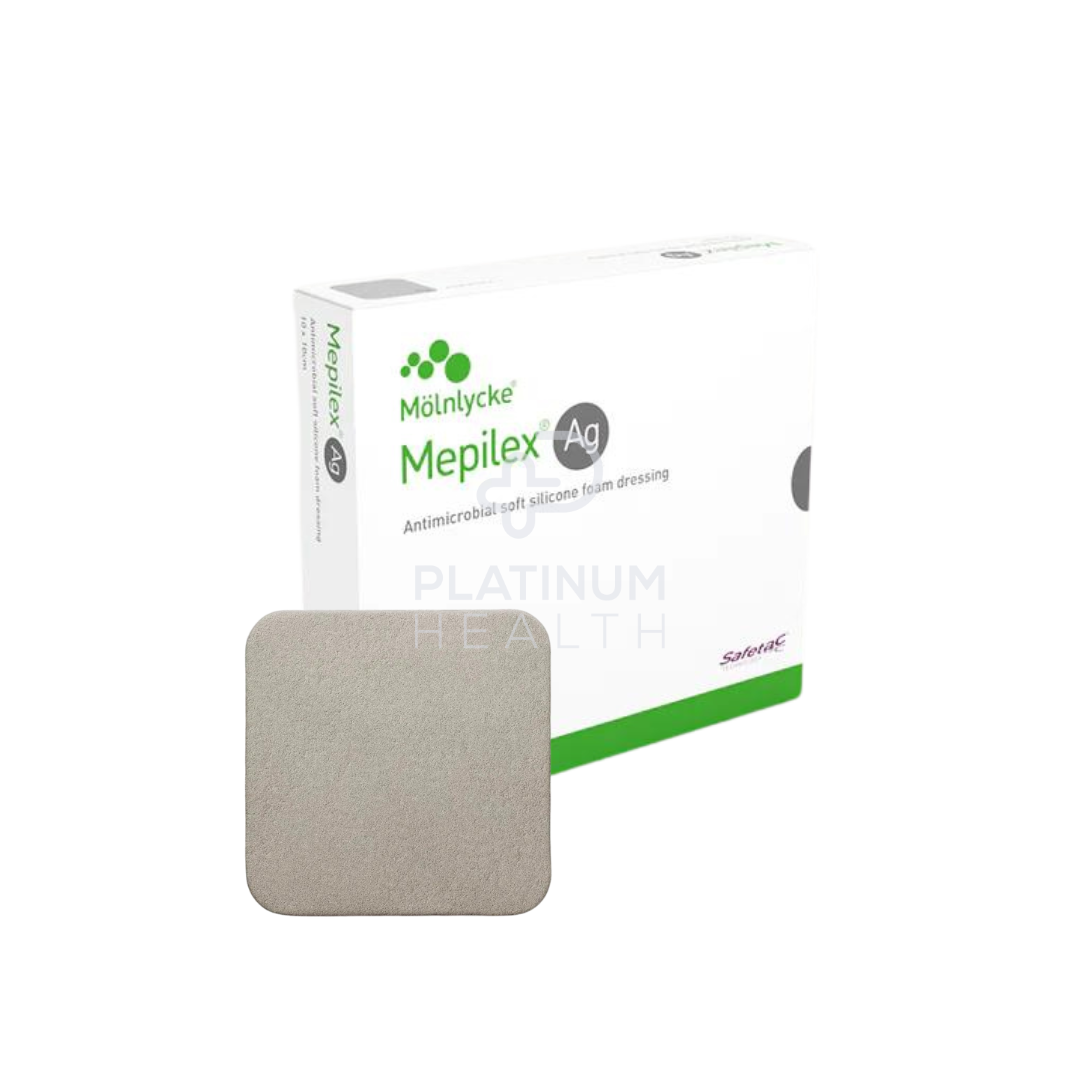
If you’re dealing with a wound that just won’t quit — maybe it’s slow to heal or looking a little suspect — this silver-infused foam dressing is your go-to. It doesn’t just cover the wound; it actively fights off bacteria while keeping things cushioned and calm underneath.
Why you’ll love it:
- Silver technology helps reduce infection risk
- Gentle on fragile or sensitive skin
- Absorbs moisture to promote a better healing environment
- Ideal for pressure injuries, ulcers, and burns
Best for: Chronic wounds that need infection control and extra comfort.
Available sizes:
2. Exufiber® Ag Silver Gelling Fibre
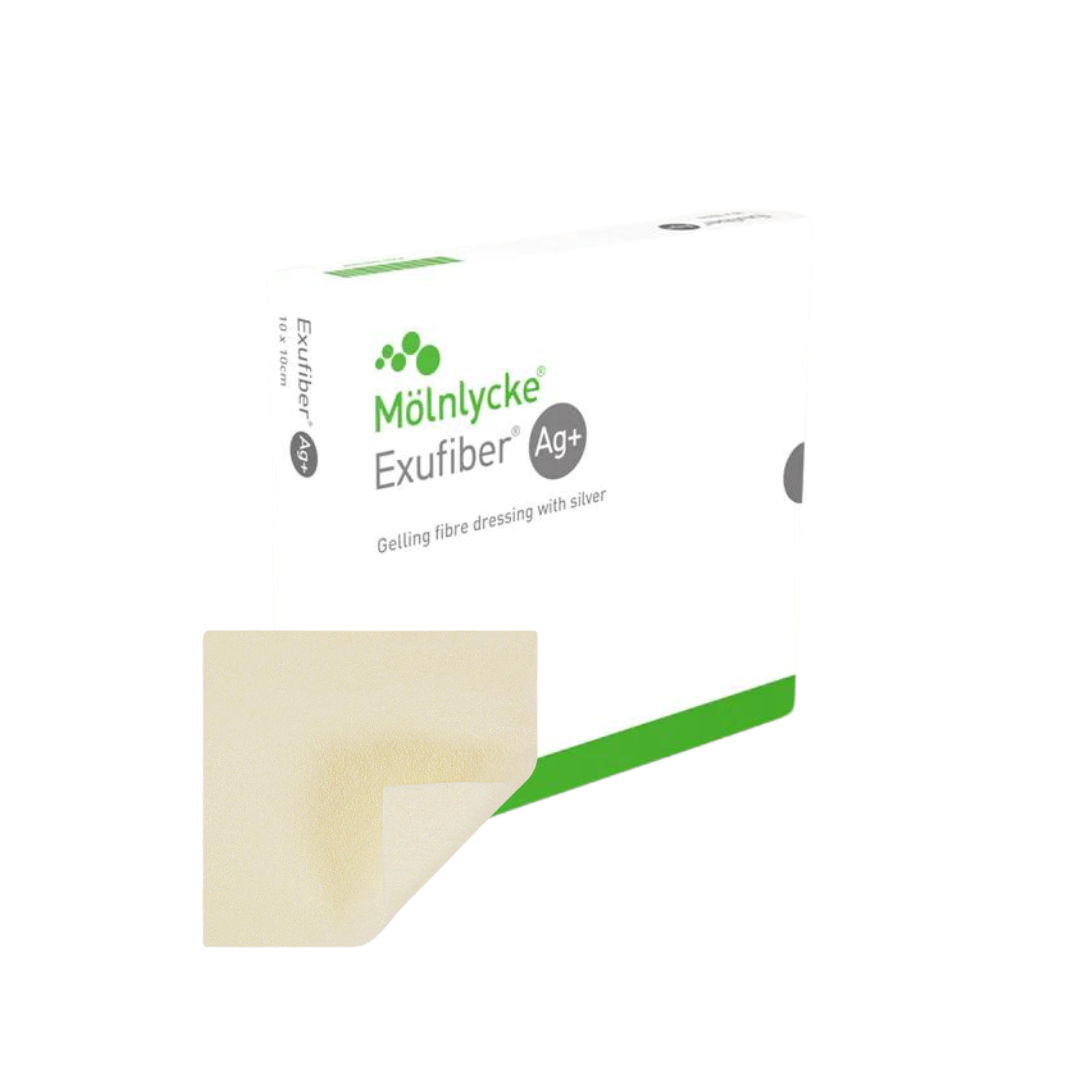
Some wounds are deep, draining, and demanding. That’s where Exufiber steps in. This isn’t just a pad — it’s a moisture-absorbing powerhouse that gels on contact, helping to pull out exudate (yep, that wound gunk) while silver takes care of the bacterial bad guys.
Why you’ll love it:
- Gels to conform to hard-to-dress wound beds
- Silver for powerful antimicrobial action
- Locks in moisture to help prevent leaks and skin maceration
Best for: Deep, draining wounds that need extra absorption and protection from infection.
Available sizes:
3. Mepilex® Border Sacrum Ag Silver Dressing
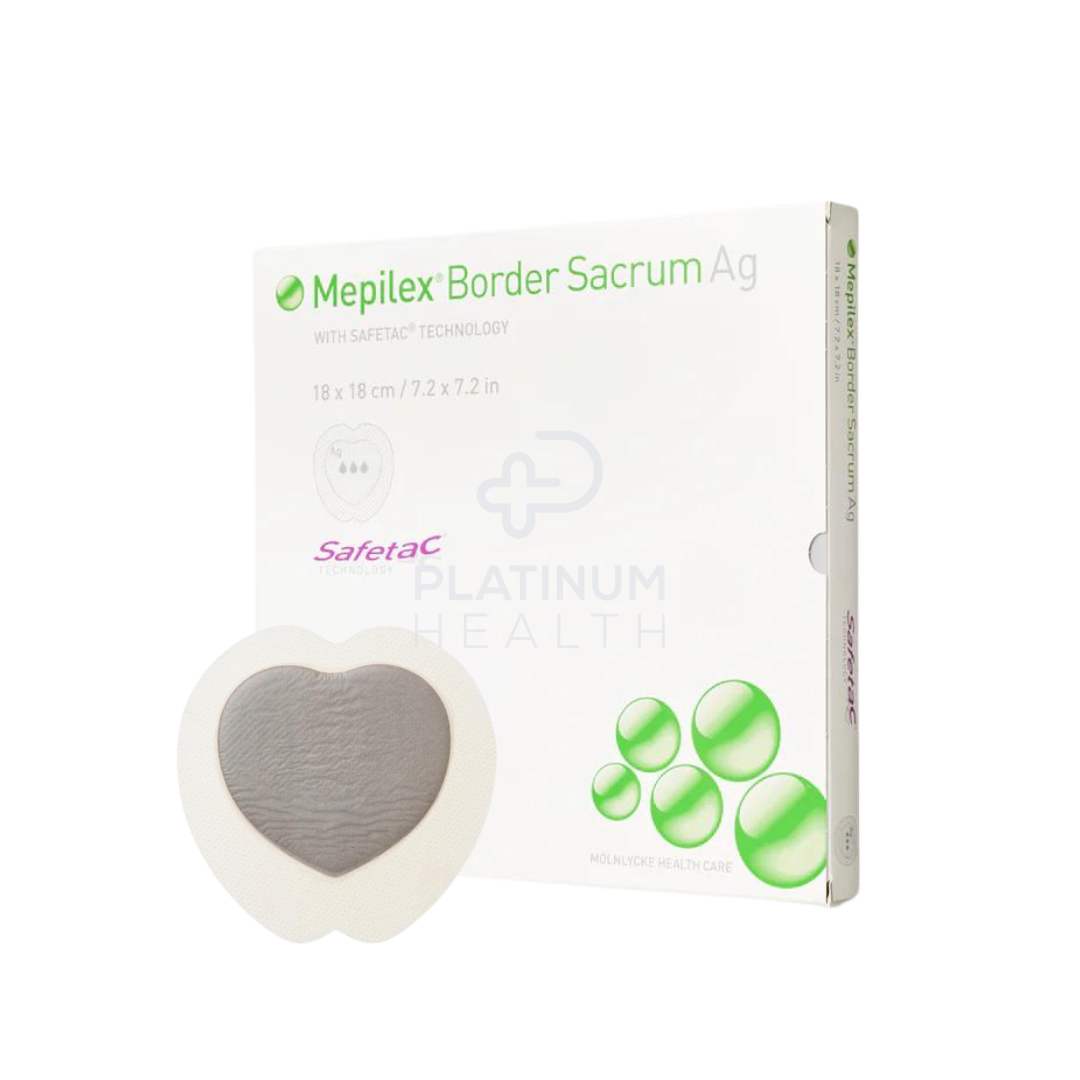
Wounds on the tailbone or lower back are notoriously hard to deal with — especially if you’re sitting or lying down often. This dressing is shaped to fit and stay put, all while delivering silver-based protection right where you need it most.
Why you’ll love it:
- Tailored fit for the sacral area (no awkward slipping)
- Reduces pressure ulcer risk
- Kills bacteria while keeping skin cushioned
- Gentle silicone layer to minimise pain during removal
Best for: Pressure injuries or surgical wounds near the sacrum.
4. Mepilex® Border Flex Dressing
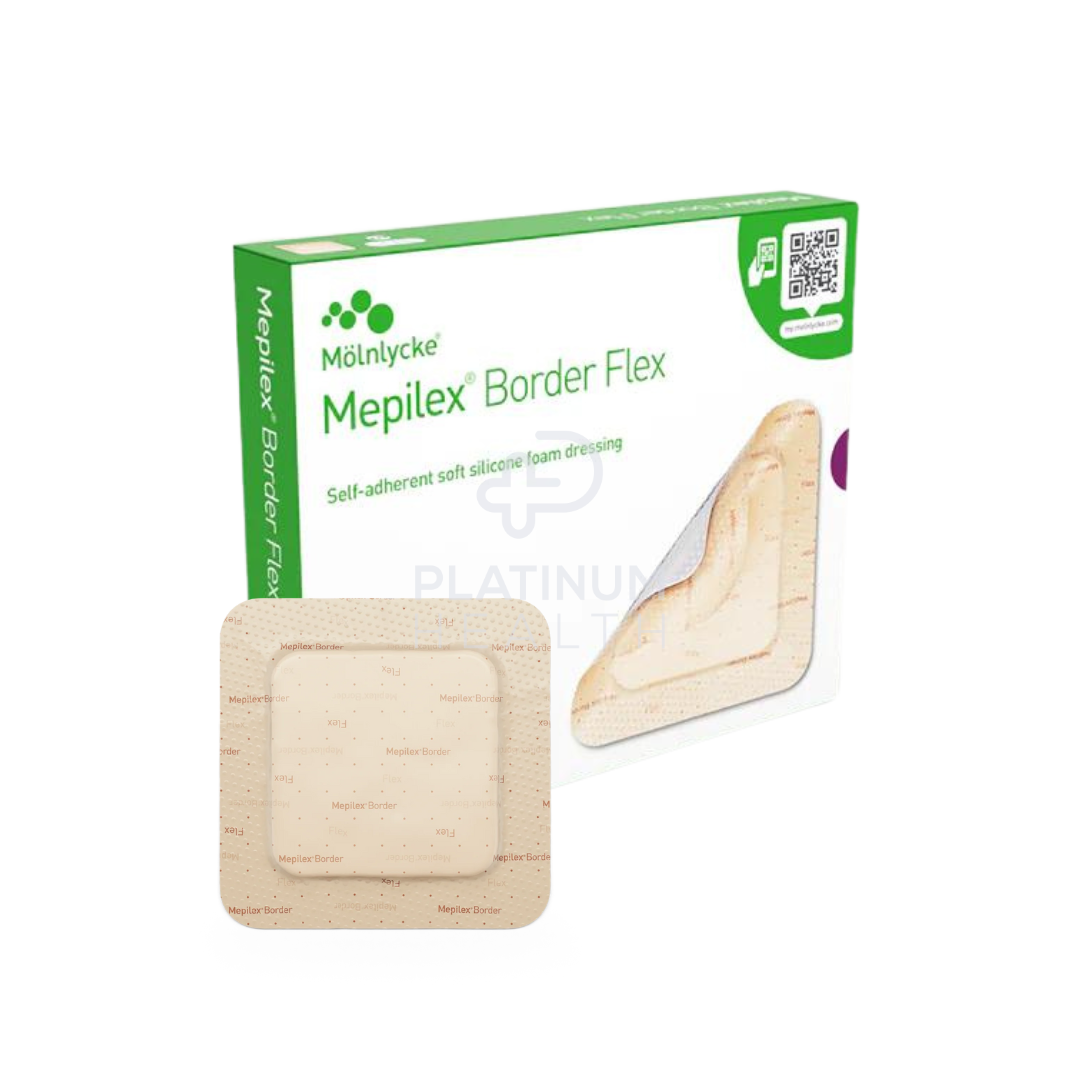
Life doesn't stop just because you're healing — and neither should your wound dressing. This ultra-flexible dressing moves with you, bends without bunching, and sticks without pulling on your skin.
Why you’ll love it:
- Great flexibility for joints and movement-heavy areas
- Absorbs exudate without drying out the wound
- Low-friction surface — perfect under clothes
- Skin-friendly adhesive that peels off without the ouch
Best for: Active people with wounds in high-movement areas (knees, elbows, shoulders).
Available variants:
5. Mepiform® Scar Therapy Dressing
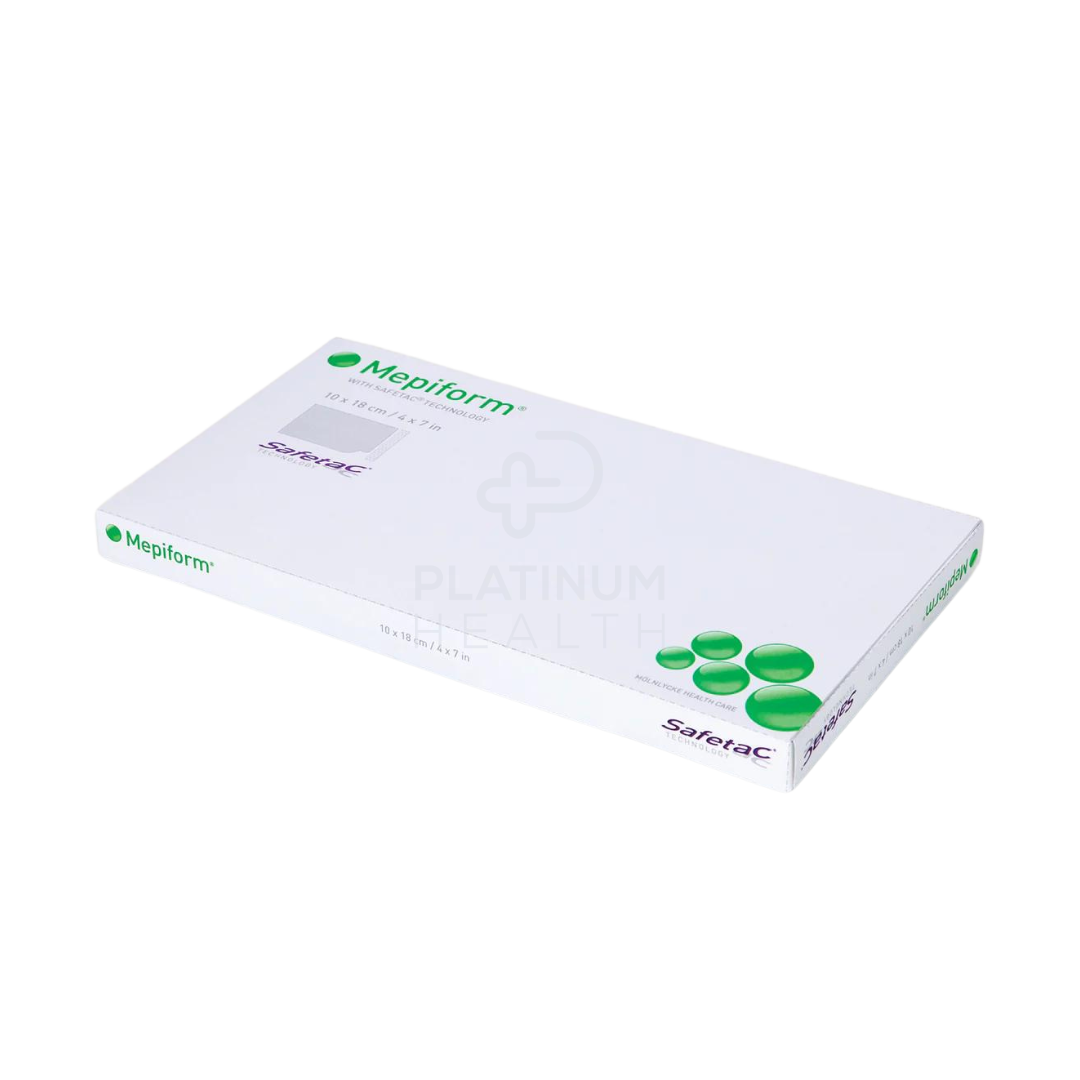
Healing is one thing. Scars? That’s a whole other chapter. Mepiform helps fade scars over time — gently, discreetly, and without sticky residue. Pop one on and get on with your day.
Why you’ll love it:
- Soft silicone minimises raised or coloured scarring
- Invisible under clothing
- Comfortable enough to wear all day or overnight
Best for: Healing post-surgical scars, acne scars, or injury-related marks.
6. Cutiplast® Strip Roll – Non-Woven Adhesive Island Dressing
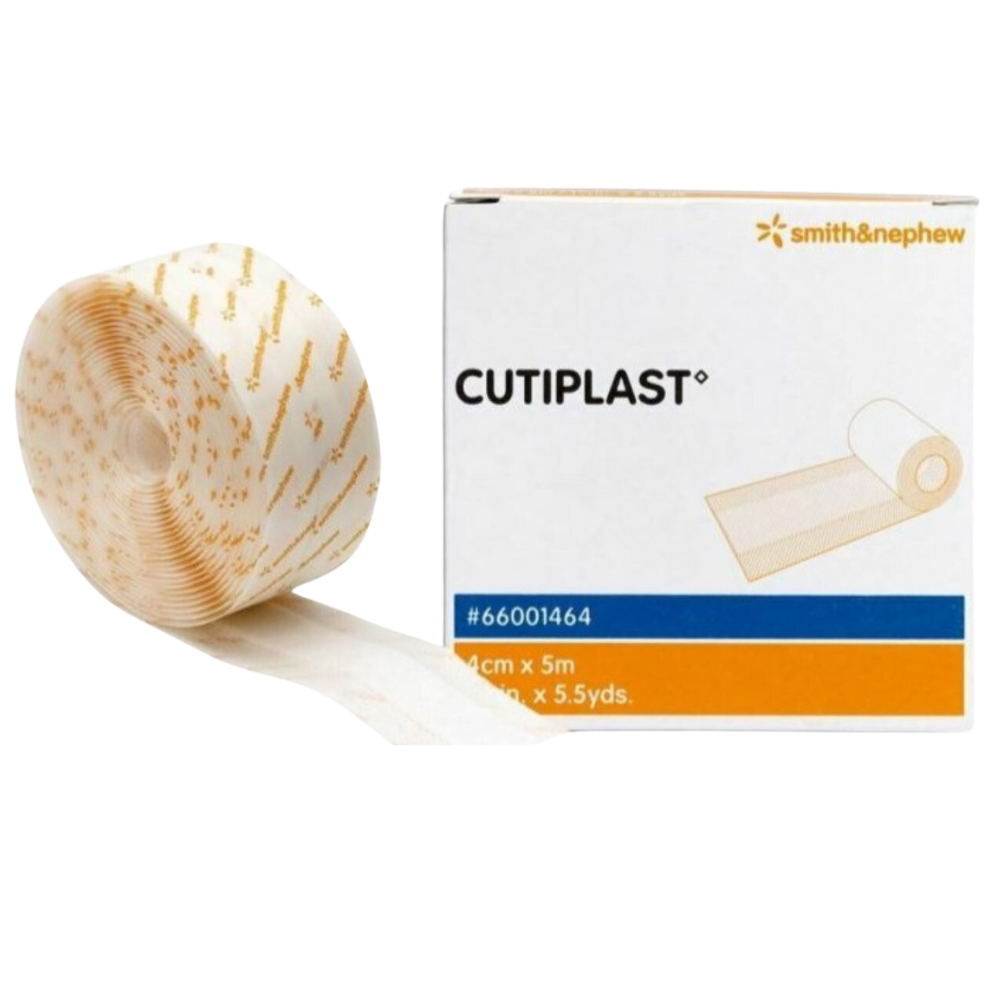
Need a versatile, no-fuss dressing you can cut to size? Cutiplast is your medicine cabinet’s MVP. It protects wounds and stays put — without tugging at your skin every time you peel it off.
Why you’ll love it:
- Breathable non-woven fabric
- Hypoallergenic adhesive for sensitive skin
- Soft and flexible — perfect for odd-shaped wounds
- Cost-effective and convenient for home care
Best for: Everyday cuts, abrasions, or wound sites that need custom-sized care.
Where can you buy wound dressings in Australia?
Still unsure which wound dressing is right for your needs? Sometimes the best way to decide is to see and feel the difference in person. At Platinum Health Supply, your trusted healthcare supplies provider in Victoria, we make it easy.
Visit our showroom at Unit 2/51 Trafalgar Rd, Epping VIC 3076, where you can:
- Chat with our friendly, knowledgeable team
- Explore our range of silver and traditional wound dressings
- Ask questions and get tailored product recommendations
- Feel confident knowing you're choosing the right care solution
🕘 Opening hours:
Monday–Friday: 9:00am – 5:00pm
Too far to visit? No worries—we deliver Australia-wide! Browse our complete wound care collection online and enjoy fast, reliable shipping right to your door.
When should you use silver dressings vs traditional dressings?
Wound healing can be tricky — especially when infection, chronic conditions, or surgical recovery are involved. While this guide can help you understand the difference between silver and traditional dressings, it’s not a replacement for personalised medical advice.
If you’re unsure which product to use, speak to a qualified healthcare professional who can guide you based on the wound type, severity, and individual care needs.
Consider getting in touch with:
- A wound care nurse or clinical nurse consultant
- A local GP or treating specialist
- A hospital-based or community-based wound management team
- Services like Healthdirect Australia for guidance on where to access help
Choosing the right dressing isn’t just about faster healing — it’s about safer healing, too.
Ready to Heal Smarter?
When it comes to wound care, there’s no one-size-fits-all solution—but understanding the difference between silver dressings and traditional dressings can make a real impact on your healing journey. Whether you’re managing chronic wounds, surgical sites, or everyday cuts and scrapes, choosing the right dressing can reduce complications, speed up recovery, and give you a bit of peace of mind.
Browse our full wound care collection here.
Let’s take the guesswork out of healing. Together.
Important Disclaimer
This blog is intended for general informational purposes only and does not substitute for professional medical advice, diagnosis, or treatment.
Always consult with a qualified healthcare professional — such as a GP, wound care nurse, or specialist — before starting or changing any wound care routine. The effectiveness of silver or traditional dressings can vary based on individual factors, wound characteristics, and underlying health conditions.
Frequently Asked Questions About Silver vs Traditional Dressings
Do silver dressings heal wounds faster than regular dressings?
Silver dressings can support faster healing in infected or high-risk wounds by reducing bacteria. For clean, uncomplicated wounds, healing time is usually similar to traditional dressings.
When should you use silver wound dressings?
Silver dressings are best used when a wound is infected, slow to heal, or at higher risk of infection. They help control bacteria and create a better environment for healing.
Are silver dressings better than traditional dressings?
Not always. Silver dressings are more effective for managing infection, while traditional dressings are often the better choice for simple, clean wounds that are healing normally.
Can you use silver dressings on any wound?
No. Silver dressings should be used when clinically appropriate, as overuse may not provide additional benefit. It is best to follow guidance from a healthcare professional when unsure.
Why are silver dressings more expensive than standard dressings?
Silver dressings contain antimicrobial silver technology, which helps reduce bacterial load in wounds. This added functionality increases cost but can be valuable in preventing or managing infection.
Choosing the right dressing depends on the condition of the wound. Using the appropriate option at the right time can help avoid complications and support more effective healing.


